ByJohn A
How Blockchain Improves Transparency
Blockchain enhances transparency by providing verifiable, tamper-evident records that enable auditable provenance and open access to governance processes. Immutable ledgers curb fraud and errors, while real-time visibility improves data governance across supply chains. Smart contracts deliver auditable, deterministic outcomes, and cryptographic proofs balance privacy with accountability. Together, these elements enable data-driven decisions and decentralized governance, yet the practical limits and implementation trade-offs invite further examination. The question is how organizations translate these capabilities into measurable performance.
What Blockchain Transparency Actually Delivers
Blockchain transparency delivers measurable benefits by enabling verifiable auditability, traceable asset provenance, and open access to consensus processes.
The analysis identifies tangible outcomes: clear governance structures, reduced information asymmetry, and durable audit trails.
Data integrity supports independent verification, while standardized metrics enable cross-domain comparisons.
Decision-makers gain confidence, optimize resource allocation, and sustain accountability without compromising operational flexibility or stakeholder autonomy.
How Immutable Ledgers Curb Fraud and Errors
Immutable ledgers reduce fraud and errors by establishing tamper-evident records and immutable audit trails that resist retroactive modification.
Data shows reduced reconciliation cycles and earlier anomaly detection through cryptographic proofs and distributed validation.
Yet, critics note cognitive load and governance risk—unrelated topic highlights must be avoided, though unrelated topic, off topic ideas may surface in debates about autonomy and resilience.
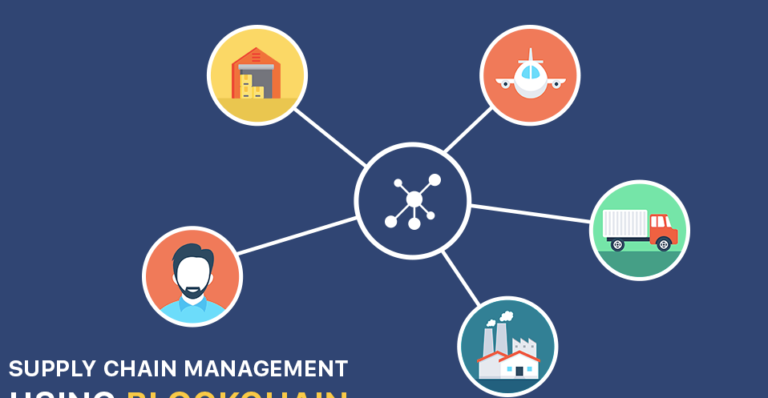
See also: How Blockchain Supports Supply Chains
Real-Time Visibility in Supply Chains and Governance
This approach enhances data governance, audit trails, and governance and supply chains coherence, while public ledgers support provenance.
Compliance monitoring strengthens supplier transparency, reducing risk and enabling rapid remediation through transparent, verifiable records.
Designing Trust With Smart Contracts and Cryptography
The analysis emphasizes verifiable outcomes, deterministic execution, and auditable trails.
Systems balance privacy guarantees with transparency, using cryptographic proofs and zero-knowledge techniques.
Gas economics shapes incentives and scalability, ensuring efficient resource use while maintaining security, autonomy, and user freedom in decentralized ecosystems.
Frequently Asked Questions
How Does Blockchain Impact Data Privacy for Individuals?
The impact on data privacy is nuanced: blockchains can enhance individual rights through verifiable control and consent records, yet immutable ledgers may complicate data erasure and cross-border access, requiring careful governance, privacy-preserving techniques, and robust access controls for data privacy.
Can Blockchain Guarantees Ever Be Legally Challenged or Reversed?
The answer: Reversible legality is unlikely but legally challengeable; about 15% of jurisdictions entertain reversals under specific grounds. Challenge mechanisms exist, yet immutable blocks constrain broad reversals, insisting proportional, court-guided remedies rather than wholesale invalidation.
What Are the Costs of Implementing a Blockchain Transparency Solution?
Implementation costs for a blockchain transparency solution vary, with upfront capital, ongoing maintenance, and integration expenses. Scalability challenges influence long-term viability, data throughput, and governance costs, yet disciplined architectural choices support cost containment for freedom-seeking audiences.
Do All Blockchain Networks Ensure Comparable Transparency Levels?
Not all blockchain networks guarantee identical transparency; data portability and cross chain visibility vary. Some networks offer robust, auditable ledgers with open access, while others restrict data, hindering interoperability and limiting comparative transparency across ecosystems.
How Do Governance Choices Affect Auditability and Accountability?
A governance design is the rudder; it steers auditability outcomes. Governance choices shape auditability metrics by defining access, incentives, and disclosure. This data-driven approach measures accountability through structured transparency, fostering freedom while ensuring verifiable oversight and responsible risk management.
Conclusion
Blockchain delivers verifiable transparency, yet its value emerges only when paired with disciplined governance. The juxtaposition of immutable records against dynamic market needs reveals a core truth: permanence curbs fraud and clarifies provenance, while adaptable smart contracts enable auditable outcomes. Real-time visibility contrasts with privacy constraints, demanding cryptographic proofs that balance openness with protection. In data-driven terms, governance becomes measurable—performance, risk, and accountability are, finally, auditable and comparable across ecosystems. Thus transparency isn’t static; it’s verifiably evolving.