ByJohn A
How Blockchain Supports Supply Chains
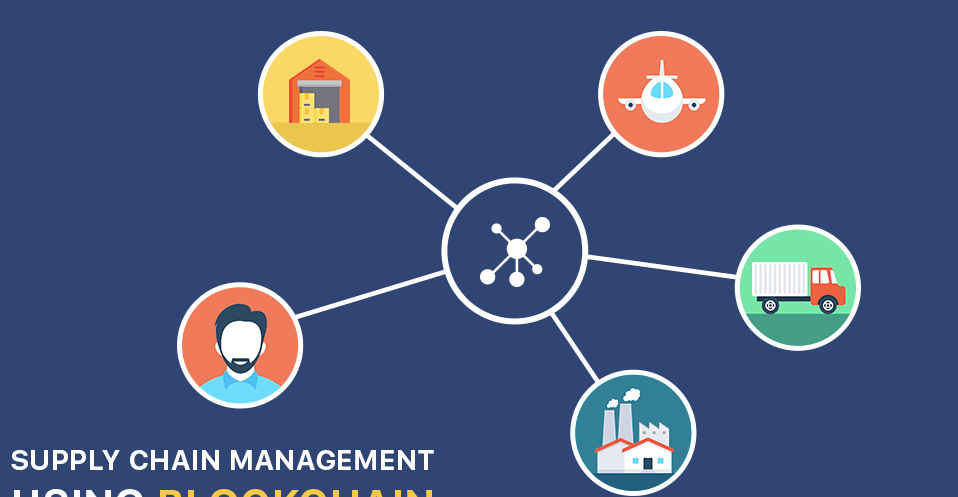
Blockchain enables immutable provenance and auditable handoffs across supply networks. Distributed ledgers standardize event data, support real-time visibility, and enable cross-chain insights that improve data integrity and compliance. Smart contracts automate governance, incentives, and risk management, reducing manual overrides. Yet adoption hinges on interoperable interfaces, clear governance, and scalable pilots. The balance between trust, interoperability, and governance frames the next steps for practical, cross-functional value realization.
What Blockchain Is Doing for Provenance
Blockchain technology enhances provenance by providing an immutable, tamper-evident record of an asset’s lifecycle.
Across supply networks, distributed ledgers enable verifiable lineage, auditable handoffs, and standardized event data.
Trust frameworks establish governance and accountability, while data interoperability ensures consistent semantics.
The approach supports cross-functional collaboration, reduces friction, and empowers stakeholders to validate origin, custody, and changes without centralized bottlenecks.
Real-Time Visibility Across the Chain
The approach emphasizes real time data integrity, enabling cross-functional actors to monitor provenance, authenticity, and risk.
Cross border validation reinforces compliance, while interoperable schemas ensure transparent, auditable insight without sacrificing agility or freedom to collaborate.
Activating Trust With Smart Contracts
Smart contracts operationalize trust by encoding agreement terms, governance rules, and exception handling directly into programmable logic on the ledger. They enable automated, auditable actions across processes, reducing manual overrides. In cross-functional environments, tracking incentives aligns partner behavior with shared goals, while permissioned networks provide controlled access, governance, and compliance. This approach empowers scalable, transparent collaboration within supply chains.
Overcoming Adoption Hurdles and Governance
Adoption hurdles and governance emerge as pivotal determinants of successful blockchain initiatives, requiring a precise balance between technical feasibility, regulatory alignment, and stakeholder incentives.
The analysis highlights interoperability barriers and the need for governance clarity to align cross‑org processes, data standards, and compliance.
A data-driven posture reveals actionable pathways: standardized interfaces, transparent decision rights, and collaborative pilots that scale with measurable value across supply chains.
Frequently Asked Questions
How Does Blockchain Impact Cost Reduction in Logistics?
Blockchain reduces costs by improving data integrity and transparency, enabling contract automation and faster settlements. It underpins cost efficiency and route optimization through real-time visibility, cross-functional coordination, and data-driven decision-making for freedom-oriented logistics teams.
Can Permissioned and Public Ledgers Coexist in One Chain?
Silhouettes of data converge: permissioned public coexistence enables a single chain to harmonize access controls while preserving transparency. Cross chain interoperability demonstrates potential, but governance and security tradeoffs persist as architectural constraints in mixed ledgers.
What About Data Privacy and Consent Across Suppliers?
The question concerns data privacy and consent across suppliers. Data minimization and consent sourcing guide governance; permissioned ledgers enforce access controls, while selective sharing protects sensitive details, balancing transparency with privacy across diverse supplier networks in a cross-functional, data-driven manner.
How Scalable Are Blockchain Solutions for Global Routes?
Blockchain scalability for global routes remains nuanced; a 50% improvement in throughput over sharded networks illustrates potential. The discussion highlights scalability considerations and global routing challenges, emphasizing data-driven, cross-functional, blockchain-aware insights for freedom-seeking audiences.
Do Blockchains Require New Regulatory Compliance Steps?
Blockchains may necessitate new regulatory alignment and enhanced compliance mapping to address digital records, cross-border data, and audit trails, while preserving freedom; a data-driven, cross-functional assessment shows evolving standards without crippling operational agility.
Conclusion
Blockchain-enabled provenance, real-time chain visibility, and smart-contract automation collectively reduce friction, enhance auditability, and align incentives across stakeholders. The data-driven, cross-functional framework supports standardized event schemas, interoperable ecosystems, and governance models that scale pilots into sustainable programs. While adoption hurdles persist, disciplined governance and trusted data underpin risk monitoring and compliance. In short, blockchain serves as a cohesive backbone—turning fragmented handoffs into a single, transparent value chain, and pushing performance from aspiration to measurable outcomes. business as usual, but smarter.